
1:1 Consultation
What Happens During a Facial-Analysis Consultation?
What happens in a facial-analysis consultation? Learn how visual assessment, photos, and planning guide non-surgical treatment decisions at your clinic.
Aube Clinic · Dr. Suhyun Kim, M.D. · Yongsan-gu, Seoul
1:1 Consultation →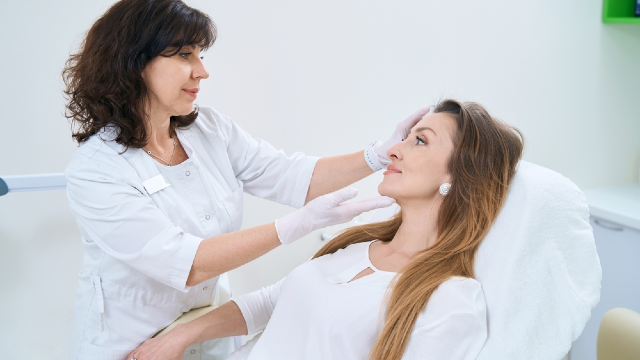
Medically reviewed by Dr. SuHyun Kim, Medical Director, Aube Clinic
Before any non-surgical aesthetic treatment, a good clinic starts with a conversation, not a procedure. A facial-analysis consultation, sometimes just called a facial assessment, is the appointment where a clinician looks carefully at your face, listens to what you would like to change, and works with you to decide whether and how to proceed. If you are exploring treatments such as thread lifting, fillers, skin boosters, or energy-based skin tightening, understanding what this consultation involves can help you feel prepared and make better decisions. This article explains, in general terms, what typically happens during a facial-analysis consultation and what questions you should ask.
One thing to keep in mind throughout: a facial analysis is about measurement, observation, and planning. It is a way for a clinician to understand your anatomy and your goals so they can suggest suitable options. It is not a diagnostic test, and it is not itself a treatment. Any imaging or measurement that a clinic uses is a planning aid, not an automated diagnosis. The specific assessment tools any given clinic uses can vary, so it is always worth confirming with the clinic what they actually use.
What "Facial Analysis" Means
The term "facial analysis" can sound technical, but at its core it simply means looking at the face in a structured way. A clinician considers the proportions and balance of your features, the quality and laxity of your skin, the position of soft tissue, areas of volume loss, and how your face moves and rests. Practitioners have long used careful facial evaluation, often supported by standard photographs, to plan aesthetic treatments and to understand the relevant anatomy before recommending anything.
Facial assessment is not new or exotic. It is a routine part of aesthetic and reconstructive practice, because understanding a person's individual anatomy and goals is essential to planning any procedure. What matters is that the assessment is thoughtful, honest about what is realistically achievable, and centered on your own preferences rather than a one-size-fits-all template. You can learn more about the non-surgical, consultation-led approach at Aube Clinic on the about us page.
The Typical Steps of a Facial-Analysis Consultation
While every clinic runs its consultations a little differently, most facial-analysis appointments include some version of the following steps.
1. Discussing your goals and concerns
The consultation usually begins with a conversation. The clinician asks what prompted your visit, which areas you would like to address, and what kind of change you are hoping for. This is your opportunity to describe your concerns in your own words, whether that is sagging along the jawline, volume loss in the cheeks, or skin that has lost firmness. Clarifying your goals and expectations early is one of the most important parts of the process, because it shapes everything that follows.
2. Reviewing your medical history
A responsible clinician will also ask about your general health, medical conditions, medications, allergies, previous aesthetic treatments, and any past reactions. This matters because your history can affect which treatments are suitable and safe for you. Being open and thorough here helps the clinician make appropriate recommendations.
3. Visual and hands-on assessment
Next comes the actual facial analysis. The clinician looks closely at your face, often asking you to make certain expressions or to sit and stand so they can see how your tissues move and settle. They may gently examine your skin and soft tissue by hand to assess laxity, texture, and volume. This direct visual and physical assessment is the heart of the consultation.
4. Photographs and measurement
Many clinics take standardized photographs of your face from several angles. These photos help document your starting point, support planning, and allow before-and-after comparison later. Some practices also use imaging or measurement tools to record proportions and features more precisely. Where such tools are used, they serve as measurement and planning aids, helping the clinician map out a treatment. They do not replace clinical judgment, and they are not a form of automated diagnosis or treatment.
5. Discussing options and a plan
Finally, the clinician talks through what they observed and which options might suit your goals, along with the realistic benefits, limitations, risks, and the temporary nature of many non-surgical results. This is a two-way conversation. You should leave with a clear understanding of what is being suggested, what it can and cannot do, and what the next steps would be.
A Note on Imaging and "AI" Claims
You may have seen marketing that describes "AI" or "3D" facial-analysis systems. It is worth being clear-eyed about what such tools are and are not. Any imaging or software used in an aesthetic consultation is fundamentally a measurement and planning aid. It can help record proportions, document your appearance, and illustrate a plan, but it does not diagnose conditions on its own and it does not perform treatment. The clinician's assessment and your shared decision-making remain central.
Because tools and terminology vary widely between clinics, and because this article cannot verify which specific systems any individual clinic uses, we recommend you simply ask the clinic directly what assessment tools they use during their consultations. A straightforward answer will help you understand exactly what your appointment will involve. You can raise that question through the contact us page before you book.
Consultations at Aube Clinic
Aube Clinic is a non-surgical aesthetic-medicine clinic in Seoul. It is a single-physician practice where the Medical Director, Dr. SuHyun Kim, personally conducts one-on-one consultations and sees one patient per time slot. That format is designed to give each person focused, individual attention during their assessment and planning.
What this article does not do is claim that Aube Clinic uses any particular imaging device, software, or "AI" analysis system, because that is not something we can document. If a specific assessment tool or approach matters to you, the best course is to confirm the details with the clinic directly. You can find contact options on the contact us page and general information on the about us page.
How to Prepare for Your Consultation
You can get more out of a facial-analysis consultation with a little preparation:
- Think about your goals in advance. Note the specific areas or changes that matter most to you, and be honest with yourself about what you hope to achieve.
- Bring your medical information. Have a list of your medications, allergies, medical conditions, and past aesthetic treatments ready to share.
- Come with questions. Ask about your realistic options, the benefits and limitations, potential risks, how long any results typically last, and what recovery involves.
- Arrive with a clean face if asked. Some clinics prefer you attend without heavy makeup so they can assess and photograph your skin clearly; check ahead of time.
- Expect a conversation, not pressure. A good consultation informs you and respects your pace. You are never obligated to decide on the spot.
Realistic Expectations
A facial-analysis consultation is a planning and information-gathering step. It helps a clinician understand your anatomy and goals and helps you understand your options, but it does not promise any particular outcome. Non-surgical aesthetic treatments generally produce modest, gradual, and temporary results that vary from person to person, and no procedure can be guaranteed. A thread lift, for example, is not a surgical facelift and should not be described as one.
The value of the consultation lies in honest, individualized advice. If a treatment is not suitable for you, or if your expectations are not realistic for a non-surgical approach, a responsible clinician should tell you so. That kind of candor is a good sign, not a disappointment.
Frequently Asked Questions
What is a facial-analysis consultation?
It is an appointment where a clinician assesses your face, discusses your goals and medical history, and plans possible treatments with you. It usually involves a conversation, a visual and hands-on assessment, and often standardized photographs. It is a planning and information step, not a diagnostic test or a treatment.
Does facial analysis use AI to diagnose my face?
Any imaging or software used in a consultation is a measurement and planning aid, not an automated diagnosis. Clinical judgment and your shared decision-making stay central. Tools vary between clinics, so ask the clinic directly what assessment methods they use so you know what to expect.
Will I get treatment during the consultation?
Not necessarily. A facial-analysis consultation is primarily about assessment and planning. Whether any treatment happens the same day depends on the clinic, the procedure, and your own decision. You should never feel pressured to proceed before you feel informed and ready.
Who performs the consultation at Aube Clinic?
Aube Clinic is a single-physician clinic where the Medical Director, Dr. SuHyun Kim, personally conducts one-on-one consultations, seeing one patient per time slot. For details about the format and what to bring, confirm directly with the clinic through the contact us page.
How should I prepare for my appointment?
Think about your goals, bring a list of your medications, allergies, and medical history, and prepare questions about your options, risks, and realistic results. Some clinics ask you to arrive without heavy makeup so your skin can be assessed clearly. Checking ahead helps your appointment run smoothly.
What questions should I ask during the consultation?
Ask what the clinician observed, which options might suit your goals, the realistic benefits and limitations, potential risks, how long any results typically last, and what recovery involves. It is also reasonable to ask what assessment tools the clinic uses. Clear answers help you make an informed choice.
The Bottom Line
- A facial-analysis consultation is about assessment and planning, not diagnosis or treatment, and it typically includes a conversation, a visual and hands-on assessment, and standardized photographs.
- Any imaging or software is a measurement and planning aid; it does not diagnose or treat, and this article makes no claim that Aube Clinic uses any particular device or "AI" system.
- Aube Clinic is a single-physician clinic where Dr. SuHyun Kim personally conducts one-on-one consultations, one patient per time slot.
- Confirm directly with the clinic what assessment tools and consultation format they use so you know what to expect.
- Non-surgical results are modest, gradual, temporary, and individual, and no outcome is guaranteed.
This article is for general educational purposes only and describes non-surgical aesthetic medicine in general terms. It is not medical advice and is not a self-diagnosis tool. Individual results vary, and no outcome is guaranteed. Always consult a qualified clinician about your own situation, and confirm any specific assessment tools or protocols directly with the clinic.
Clinical Safety Notice & Personalized 1:1 Consultation
All aesthetic and regenerative procedures at Aube Clinic (Hoban Summit Edition 2F, 66 Hangang-daero, Yongsan-gu, Seoul) are planned and performed 1:1 by Representative Director Dr. Suhyun Kim after direct facial anatomy and skin evaluation. Treatment outcomes and recovery timelines vary by individual tissue condition, and temporary swelling, bruising, redness, tenderness, or asymmetry may occur.
1:1 Consultation