
1:1 Consultation
Thread Lifting vs Surgical Facelift: Honest Comparison
Thread lifting versus a surgical facelift: compare invasiveness, downtime, longevity, and candidacy to see which non-surgical or surgical route fits you.
Aube Clinic · Dr. Suhyun Kim, M.D. · Yongsan-gu, Seoul
1:1 Consultation →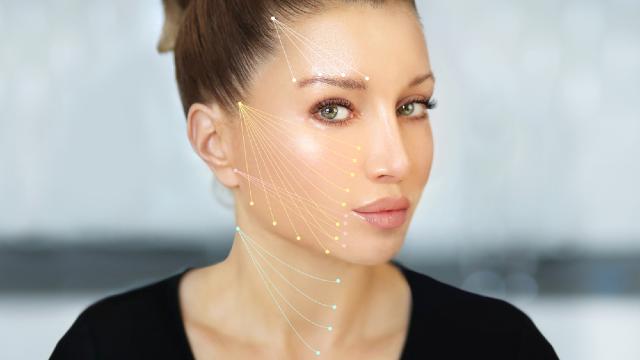
Thread Lifting vs Surgical Facelift: A Non-Surgical Alternative Comparison
Medically reviewed by Dr. SuHyun Kim, Medical Director, Aube Clinic
"Should I get a thread lift or a facelift?" is one of the most common questions people ask when they first notice sagging along the jawline, cheeks, or neck. It is a fair question, but it can be misleading, because the two are not competing versions of the same procedure. They are different categories of treatment with different degrees of change, different recovery, and different candidates. A thread lift is a non-surgical, minimally invasive option that produces a subtle, temporary result. A surgical facelift, medically called rhytidectomy, is an operation performed by a surgeon that removes and repositions tissue for a more pronounced and longer-lasting change.
This article compares the two honestly so you can decide which conversation to have. It is written from the perspective of a non-surgical clinic: Aube Clinic performs thread and non-surgical treatments and does not perform surgical facelifts. Our goal is not to talk you into or out of surgery, but to help you understand where threads genuinely help, where they fall short, and when a surgical consultation elsewhere is the more appropriate path. Throughout, one point holds: a thread lift is not a facelift, and setting realistic expectations is the most important part of choosing well.
The Bottom Line
- They are different categories, not competing versions of one procedure. Thread lifting is non-surgical and temporary; a surgical facelift (rhytidectomy) is an operation with a more pronounced, longer-lasting change.
- Threads deliver a lesser degree of lift. They are best suited to mild-to-moderate laxity and subtle refinement, not the deeper structural correction surgery provides.
- Downtime and commitment differ sharply. Thread lifts are typically done under local anesthesia with limited downtime, while a facelift is a surgical procedure with anesthesia, incisions, and a longer recovery.
- Longevity differs. Thread results are temporary and vary between individuals; surgical results generally last far longer, though no result is permanent because aging continues.
- Candidacy is individual. For advanced sagging or excess skin, surgery performed by a qualified surgeon may be the more appropriate option; a non-surgical clinic should tell you honestly when threads are not enough.
Two Different Categories of Treatment
It helps to define each clearly before comparing them.
A thread lift uses absorbable sutures placed in the deeper layers of the skin. Barbs, cogs, or cones on the thread catch lax tissue and reposition it, giving an immediate but modest lift, while the thread also stimulates the body to produce new collagen as it is gradually absorbed. The American Society of Plastic Surgeons describes it as a minimally invasive procedure that can tighten and stimulate collagen while avoiding the incisions and downtime of surgery. Because the material absorbs and the effect depends on your own collagen response, the result is temporary and varies from person to person.
A surgical facelift (rhytidectomy) is, by contrast, an operation. According to StatPearls and Mayo Clinic patient information, rhytidectomy repositions deeper facial soft tissues and removes excess skin to address sagging, deep folds, and jowls, and it has been among the most commonly performed cosmetic surgical procedures in the United States for years. It involves incisions, is performed by a surgeon in an appropriate surgical setting, and requires a meaningful recovery period. Aube Clinic does not perform this procedure; when it is the better fit, that is a conversation to have with a qualified surgeon at a surgical facility.
Framing them as two categories, rather than a cheaper option versus an expensive one, is the honest way to compare.
Invasiveness and Anesthesia
The clearest practical difference is how invasive each one is. A thread lift is minimally invasive: the threads are introduced through small entry points, usually under local anesthesia, and there are no large incisions or removal of skin. Most patients are awake and comfortable, and the procedure is completed in-office.
A surgical facelift is a true operation. It involves incisions, typically around the ears and sometimes into the hairline, undermining and repositioning of tissue, and removal of excess skin, generally performed under sedation or general anesthesia. That is not a criticism of surgery; it is simply a different level of intervention, and it is exactly what allows a facelift to achieve a more pronounced change than threads can. If the idea of surgery and anesthesia is a firm boundary for you, that is a meaningful reason to explore non-surgical options first, provided your degree of laxity is a realistic match.
Downtime and Recovery
Recovery scales with invasiveness. After a thread lift, common effects include temporary swelling, bruising, tenderness, mild tightness, and small dimples or puckers that usually settle within days to a couple of weeks. Many patients return to routine activities relatively quickly, though your provider will give aftercare guidance such as sleeping position and avoiding vigorous facial movement for a period.
A surgical facelift involves a longer, more structured recovery. Patient information from Mayo Clinic and StatPearls notes that swelling, bruising, and healing after rhytidectomy take considerably longer, with activity restrictions and follow-up over weeks, and full settling of the result over a longer horizon. There are also the risks inherent to surgery, which a surgeon reviews in detail during a surgical consultation. The trade-off is straightforward: threads ask less of your schedule and body but deliver less; surgery asks more and delivers more.
Degree of Lift and Longevity
This is where honesty matters most. A thread lift produces a lesser degree of lift than surgery. It is well suited to early or moderate sagging, softening of the jawline, and subtle refinement, and it works partly through gradual collagen stimulation. It does not remove excess skin and cannot reproduce the deeper repositioning of a surgical facelift. If your expectation is a dramatic, surgery-level change, threads will disappoint, and a responsible provider will say so.
Longevity also differs. Thread results are temporary and vary between individuals; the mechanical effect fades as tissue settles, and the collagen benefit remodels over time, so many patients consider maintenance. Surgical facelift results generally last far longer, though no procedure stops aging, and even surgical results change gradually over the years. Neither approach is a permanent freeze on the aging process, and any provider who promises otherwise is overpromising.
Who Is a Better Candidate for Each?
Rather than a universal ranking, think in terms of fit.
Thread lifting may suit you if: you have mild-to-moderate laxity, you want a subtle and natural-looking refinement, you prefer to avoid surgery and general anesthesia, you want limited downtime, and you accept that results are temporary and variable. It can also appeal to people who want to address early changes before they progress.
A surgical facelift may be more appropriate if: you have advanced sagging, significant excess skin, or deep structural descent that threads cannot meaningfully correct, and you want a more pronounced, longer-lasting result and are willing to accept surgery, anesthesia, and a longer recovery. In these cases, the right next step is a consultation with a qualified surgeon at a surgical facility, not a non-surgical clinic.
Some people fall in between, and for them a candid consultation is the only reliable way to decide. A non-surgical clinic acting in good faith should be willing to tell you when your goals exceed what threads can deliver.
When Surgery May Be the More Honest Answer
It is worth stating plainly: there are situations where a thread lift is not the right tool. If there is substantial skin excess, heavy jowling, or pronounced neck laxity, threads are likely to underdeliver and the improvement may be short-lived relative to your expectations. Pushing a non-surgical treatment in those cases sets a patient up for disappointment. In that scenario, the more honest guidance is to consider a surgical opinion, understanding that this is a different category of care delivered by surgeons in a surgical setting. Aube Clinic does not perform surgical facelifts and does not position threads as an equivalent substitute for surgery when surgery is what the anatomy calls for.
Conversely, many people seeking help have early or moderate changes and specifically want to avoid surgery. For them, a thread lift can be a reasonable, lower-commitment way to refine the jawline and cheeks, as long as expectations stay realistic and temporary.
Setting Realistic Expectations
Whichever direction you lean, the single biggest driver of satisfaction is a realistic expectation set before treatment. Thread lifting is often chosen precisely because it is subtle; the goal is a refreshed, natural-looking version of your own face, not a transformation. If you arrive expecting the degree of change a surgical facelift produces, even a technically excellent thread lift can feel underwhelming, because the two are simply not designed to do the same thing. Being clear with yourself about whether you want subtle refinement or a pronounced, lasting correction narrows the decision quickly.
It also helps to think in terms of your own timeline rather than a single treatment. Aging is ongoing, so neither threads nor surgery is a permanent stop. Some people begin with non-surgical options while changes are early and revisit the question later; others decide their concern already warrants a surgical opinion. There is no universally correct sequence, only the one that fits your anatomy, your tolerance for downtime and intervention, and your goals, which is why a candid, individualized assessment matters more than any general comparison.
How Aube Clinic Fits In
Aube Clinic is a non-surgical aesthetic clinic in Seoul that focuses on facial lifting using threads, injectables, and energy-based devices. Every plan starts with a one-on-one consultation with the clinic's Medical Director, Dr. SuHyun Kim, who assesses your degree of laxity, skin quality, and goals and explains what a non-surgical approach can and cannot achieve for you, including when your goals might be better served by a surgical consultation elsewhere. You can read more about the clinic's non-surgical philosophy on the about us page, and you can reach the team through the contact page to ask questions before deciding.
The most useful thing an article can do is help you frame the choice; the decision itself belongs in a personalized assessment where your anatomy and expectations can be evaluated directly.
Frequently Asked Questions
Is a thread lift the same as a non-surgical facelift?
The phrase "non-surgical facelift" is marketing shorthand, but a thread lift is not a facelift. It is a minimally invasive, non-surgical procedure that gives a subtle, temporary lift and stimulates collagen, whereas a surgical facelift is an operation that produces a more pronounced, longer-lasting change. It is more accurate to think of threads as a non-surgical alternative for milder concerns, not an equivalent to surgery.
Which lasts longer, a thread lift or a facelift?
A surgical facelift generally lasts considerably longer than a thread lift. Thread results are temporary and vary between individuals, and many patients consider maintenance over time. That said, no procedure stops aging, and even surgical results gradually change over the years.
How much downtime does each one require?
Thread lifts are typically performed under local anesthesia with limited downtime; temporary swelling, bruising, and tightness usually settle within days to a couple of weeks. A surgical facelift involves anesthesia, incisions, and a longer, more structured recovery over weeks, with activity restrictions your surgeon will explain. Individual recovery varies.
Can a thread lift replace a facelift if I have a lot of sagging?
For advanced sagging or significant excess skin, a thread lift is unlikely to deliver the result you want and may fall short. In those cases, a surgical opinion from a qualified surgeon at a surgical facility is the more appropriate path. A thread lift is best suited to mild-to-moderate laxity and subtle refinement.
Does Aube Clinic perform surgical facelifts?
No. Aube Clinic is a non-surgical aesthetic clinic and performs thread and other non-surgical treatments, not surgical facelifts. If your assessment suggests surgery is the better fit, that is a conversation to have with a qualified surgeon in a surgical setting.
Are thread lift results guaranteed to look natural?
No treatment can be guaranteed. Thread lifts are often chosen for subtle, natural-looking refinement, but outcomes vary between individuals depending on anatomy, skin quality, and technique, and temporary effects such as small dimples can occur while tissue settles. Realistic expectations set during an in-person consultation are the best predictor of satisfaction.
How do I decide between the two?
Start with an honest assessment of your degree of sagging and your goals, along with how much downtime and intervention you are willing to accept. Mild-to-moderate laxity with a preference to avoid surgery points toward non-surgical options; advanced laxity or a desire for a pronounced, lasting change points toward a surgical consultation. A candid provider will tell you which category genuinely fits.
This article is for general educational purposes about non-surgical aesthetic medicine. It is not medical advice, not a treatment recommendation, and not a self-diagnosis tool. Thread lifting is non-surgical, results vary between individuals and are temporary, and it is not a facelift. A surgical facelift is a separate category of care performed by surgeons in a surgical setting. Any procedure carries risks. Please consult a qualified medical professional about your individual situation before making treatment decisions.
Clinical Safety Notice & Personalized 1:1 Consultation
All aesthetic and regenerative procedures at Aube Clinic (Hoban Summit Edition 2F, 66 Hangang-daero, Yongsan-gu, Seoul) are planned and performed 1:1 by Representative Director Dr. Suhyun Kim after direct facial anatomy and skin evaluation. Treatment outcomes and recovery timelines vary by individual tissue condition, and temporary swelling, bruising, redness, tenderness, or asymmetry may occur.
1:1 Consultation