
1:1 Consultation
RF vs Ultrasound Skin Tightening: Corage 3DEEP vs LinearZ
Compare RF and ultrasound skin tightening at Aube Clinic in Seoul: how Corage 3DEEP and LinearZ differ in depth, comfort, candidacy, and gradual results.
Aube Clinic · Dr. Suhyun Kim, M.D. · Yongsan-gu, Seoul
1:1 Consultation →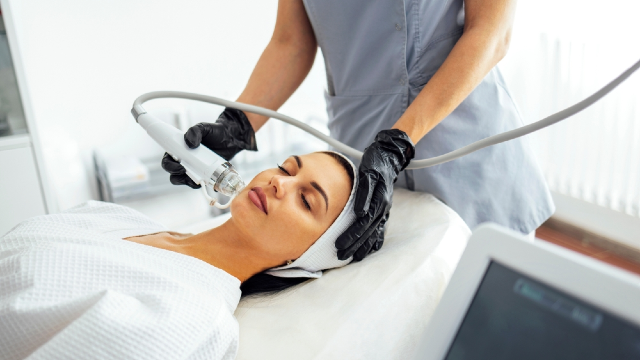
Medically reviewed by Dr. SuHyun Kim, Medical Director, Aube Clinic
If you are researching non-surgical skin tightening, two technology families come up again and again: radiofrequency (RF) and focused ultrasound. At Aube Clinic in Yongsan-gu, Seoul, these are represented by two device-based options — Corage, built on 3DEEP multi-source radiofrequency technology, and LinearZ, a focused-ultrasound device. Patients often want to know which one is "better," which is less painful, and which suits their skin. The honest answer is that neither is universally superior; they work through different physics, reach tissue in different ways, and suit different candidates. This guide compares the two on mechanism, depth, comfort, candidacy, and realistic results, so you can ask sharper questions during a consultation.
Before going further, two framing points matter. First, both RF and focused-ultrasound lifting are non-surgical treatments and neither is a facelift; they produce gradual, comparatively subtle change, not the pronounced result of surgery. Second, the regulatory status of these two technologies is not the same, and that difference is explained plainly below.
The Core Difference: Electrical Heat vs Sound-Wave Heat
Both modalities share a common goal — heating the deeper skin to trigger collagen remodeling — but they get there differently.
Radiofrequency uses electrical energy that generates heat as it passes through tissue. That controlled heat warms the dermis to a target range, which does two things: existing collagen fibers contract for a subtle immediate tightening, and, more importantly, the thermal stimulus prompts the body to build new collagen over the following weeks and months. Because the surface can be cooled while heat is delivered beneath it, RF is generally considered non-invasive with minimal downtime. Guidance from major plastic-surgery bodies describes RF-based skin tightening as a way to heat the skin and trigger collagen production for a firmer, smoother appearance.
Focused ultrasound instead uses concentrated sound-wave energy. Rather than warming a broad volume of tissue, it deposits energy at small, defined focal points at a chosen depth, creating tiny thermal coagulation zones while relatively sparing the layers above. Those focal points denature existing collagen and stimulate neocollagenesis and elastin remodeling. Published reviews of micro-focused ultrasound describe target tissue being heated to temperatures that denature proteins and lead to collagen contraction and new collagen formation.
In short: RF spreads controlled heat through the dermis as bulk heating, while focused ultrasound places precise thermal points at depth. Same biological aim, different delivery.
Depth and Target Layers
Depth is one of the most practical ways the two differ.
RF systems like the 3DEEP multi-source design aim to concentrate energy within the dermal and subdermal layers. The idea behind a multi-source, phase-controlled configuration is to keep the radiofrequency energy focused at a targeted depth rather than dispersing it superficially or letting it flow uncontrolled toward the surface. The emphasis tends to be on overall firming and skin quality across a treated region.
Focused ultrasound is often described as reaching deeper, defined planes, including the deep dermis and, at certain settings, the superficial musculoaponeurotic system (SMAS) — the connective-tissue layer beneath the skin and above the facial muscles. Because ultrasound energy can be concentrated at specific depths, it is frequently discussed in the context of deeper structural laxity. A systematic review of micro-focused ultrasound for facial skin tightening reported improvement in a large share of treated patients, with results developing over months.
This depth distinction is part of why a physician may lean toward one modality over the other depending on skin thickness and the layer where laxity is most evident. It is not a rule that one is always "deeper" and therefore "stronger" — device settings, applicators, and individual anatomy all matter.
Regulatory Status: An Important Difference for US Patients
For US patients, regulatory wording is worth getting right, and the two technologies do not carry the same status.
The underlying 3DEEP multi-source radiofrequency technology has received United States FDA 510(k) clearance. On the FDA's public 510(k) record, a 3DEEP-based device was cleared as a noninvasive unit intended for dermatologic and general surgical procedures. The correct term here is FDA-cleared, reflecting the 510(k) pathway based on substantial equivalence to legally marketed predicate devices. It is not accurate to call this technology "FDA-approved," because "approval" describes a different, more stringent process that does not apply to these devices. Clearance also attaches to specific devices and specific indications on the FDA record; it should not be read as a blanket endorsement of every branded configuration or advertised use.
LinearZ, by contrast, is a focused-ultrasound device marketed within the Korean market, and this article makes no claim that LinearZ is cleared or approved by the U.S. FDA. The honest framing for the ultrasound side is modality-level: focused ultrasound is a well-described technology for aesthetic skin tightening, but the specific device used at Aube Clinic should not be assumed to carry a US regulatory status. If precise regulatory detail matters to your decision, ask the clinic directly and verify with official regulators. It is also worth remembering that treatment at Aube Clinic takes place in Seoul under the applicable Korean regulatory framework, regardless of a technology's status elsewhere.
Comfort, Sensation, and Downtime
A common question is which treatment is less painful. Sensation is individual, and generalizations only go so far, but the mechanisms create somewhat different experiences.
RF is frequently described as well tolerated. Because it is non-invasive and the surface can be cooled during delivery, many patients feel a warming or mild tightening sensation and return to normal activities the same day. Temporary redness or mild warmth in the treated area is common and usually settles quickly.
Focused ultrasound is also non-invasive, but because it concentrates energy at focal points, some people describe brief moments of deeper warmth or a prickling sensation as the energy is delivered. Downtime is generally limited, with any redness, mild swelling, or tenderness usually resolving within hours to a few days.
Neither treatment is reliably "painless," and comfort measures can be discussed beforehand. Because individual experience varies, the most useful comparison is one made in person, where the physician can factor in your sensitivity, the area treated, and the planned settings. You can read more about the clinic's consultation model on the Aube Clinic about-us page.
Neither Is a Facelift
This distinction is essential and applies equally to both technologies. A surgical facelift is an operation that uses incisions to reposition deeper tissue and remove excess skin, producing a pronounced, durable change. RF and focused ultrasound do something fundamentally different: they heat tissue to stimulate collagen, producing gradual, comparatively subtle firming.
According to guidance from major cosmetic-surgery bodies, non-surgical options that use radiofrequency or ultrasound can provide some degree of skin tightening but are best suited to mild to moderate laxity rather than advanced sagging. If your primary concern is significant, advanced sagging, an energy-based device — RF or ultrasound — will not reproduce a surgical result, and a responsible consultation should say so plainly.
Which One Suits Which Candidate?
Because the two modalities work differently, candidacy is not one-size-fits-all, and the "right" choice depends on individual factors rather than a marketing ranking.
In general terms, RF-based tightening is often discussed for patients whose main concern is overall firmness and skin quality across a region, and it is frequently chosen for its tolerability and same-day return to activities. Focused ultrasound is often discussed in the context of deeper or more structural laxity, and factors such as skin thickness may influence the decision. These are tendencies, not fixed rules — the pattern and degree of laxity, skin characteristics, age, and goals all feed into the decision.
At Aube Clinic, Dr. SuHyun Kim assesses these factors individually and selects a modality — or, where clinically appropriate, considers combining approaches — rather than applying one device to every patient. The clinic operates on a one-patient-per-slot basis, with Dr. Kim personally conducting the consultation and treatment, which is intended to support this kind of individualized judgment rather than a default protocol.
Realistic Results and Timelines
Both RF and focused ultrasound work by stimulating your own collagen, so results appear gradually rather than instantly. Many patients notice a mild early tightening, but the more meaningful change develops over weeks to months as collagen remodels. For this reason, energy-based treatments are often planned as a course of sessions, with the number and spacing determined individually.
The published literature is consistent on the ceiling of these treatments: they improve skin firmness and quality but do not match the magnitude of a surgical lift, and outcomes vary from person to person depending on age, skin condition, and the body's collagen response. No clinic can guarantee a specific result or duration, and any source promising a dramatic, permanent transformation from a single device is overstating what the technology does. If you would like to ask about candidacy or which modality might fit your concern, you can reach the clinic through the Aube Clinic contact page.
Can the Two Be Combined?
Because RF and focused ultrasound stimulate collagen through different mechanisms and can emphasize different layers, a physician may in some cases consider more than one approach as part of an individualized plan, sometimes alongside other non-surgical treatments. This is a clinical judgment rather than an automatic upsell: whether combining modalities is sensible depends on your specific pattern of laxity and goals. The point of a personalized, physician-led assessment is to determine whether one modality, the other, or a considered combination best fits your concern — not to sell a bigger package.
The Bottom Line
- Corage 3DEEP uses radiofrequency (electrical) heat to warm the dermis broadly, while LinearZ uses focused ultrasound to place precise thermal points at depth; both stimulate collagen but deliver energy differently.
- The 3DEEP radiofrequency technology is FDA-cleared via the 510(k) pathway (not "FDA-approved"); LinearZ is a Korean-market ultrasound device, and no US FDA status is claimed for it here.
- Focused ultrasound is often discussed for deeper, more structural laxity and thicker skin, while RF is often chosen for overall firming and its tolerability — but candidacy is individual, not a fixed rule.
- Neither modality is a facelift; both produce gradual, modest firming best suited to mild to moderate laxity, and results vary between individuals with no guarantee.
- At Aube Clinic, Dr. SuHyun Kim selects the modality — or considers combining approaches — based on each patient's skin, laxity pattern, and goals during a one-on-one consultation.
Frequently Asked Questions
Is Corage 3DEEP RF or LinearZ ultrasound "better"?
Neither is universally better. Radiofrequency spreads controlled heat through the dermis and is often chosen for overall firming and tolerability, while focused ultrasound places precise thermal points at depth and is often discussed for deeper laxity. The right choice depends on your skin thickness, the layer where laxity is greatest, and your goals, which is why an individual assessment matters.
Which treatment is less painful?
Sensation is individual for both. Radiofrequency is often described as a warming or mild tightening feeling with same-day return to activities, while focused ultrasound may produce brief moments of deeper warmth or a prickling sensation as energy is delivered. Comfort measures can be discussed beforehand, and your specific experience should be reviewed with the physician.
Is LinearZ FDA-approved or FDA-cleared?
This article makes no US FDA claim for LinearZ, which is a focused-ultrasound device marketed within the Korean market. By contrast, the 3DEEP radiofrequency technology behind Corage is FDA-cleared through the 510(k) pathway. Treatment at Aube Clinic takes place in Seoul under the applicable Korean regulatory framework, and you can raise regulatory questions directly with the clinic.
Can RF or ultrasound replace a facelift?
No. A facelift is surgery that repositions deeper tissue and removes excess skin for a pronounced, durable change. Both RF and focused ultrasound stimulate collagen for gradual, subtle firming suited to mild to moderate laxity. If sagging is advanced, an energy-based device will not reproduce a surgical result, and a consultation can clarify the most appropriate option.
How soon will I see results, and how many sessions are needed?
Because both treatments stimulate your own collagen, improvement develops gradually over weeks to months rather than immediately. Energy-based treatments are often planned as a course of sessions, with the number and spacing determined individually based on your skin and goals. Aube Clinic sets a plan during consultation rather than applying a fixed package, and results vary between individuals.
Can I have both RF and ultrasound as part of one plan?
In some cases a physician may consider more than one modality, since RF and focused ultrasound work through different mechanisms and can emphasize different layers. Whether combining them is appropriate depends on your pattern of laxity and goals, and it is a clinical decision made during consultation. The aim is to match the approach to your concern, not to add treatments by default.
This article is for general informational purposes only and does not constitute individualized medical advice; it is not a self-diagnosis tool. Radiofrequency and focused-ultrasound skin tightening are non-surgical aesthetic treatments, neither is a facelift, results vary between individuals and cannot be guaranteed, and candidacy can only be determined through a consultation with a qualified physician.
Clinical Safety Notice & Personalized 1:1 Consultation
All aesthetic and regenerative procedures at Aube Clinic (Hoban Summit Edition 2F, 66 Hangang-daero, Yongsan-gu, Seoul) are planned and performed 1:1 by Representative Director Dr. Suhyun Kim after direct facial anatomy and skin evaluation. Treatment outcomes and recovery timelines vary by individual tissue condition, and temporary swelling, bruising, redness, tenderness, or asymmetry may occur.
1:1 Consultation