
1:1 Consultation
How Many Skin Booster Sessions Will You Really Need?
Skin boosters such as Rejuran usually work as a series with maintenance. Learn how many sessions you may need, what shapes results, and when to consult.
Aube Clinic · Dr. Suhyun Kim, M.D. · Yongsan-gu, Seoul
1:1 Consultation →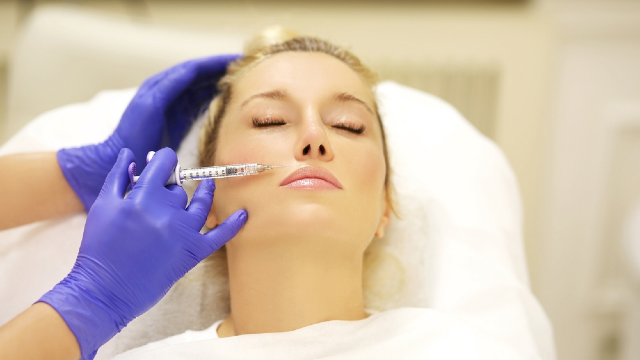
Medically reviewed by Dr. SuHyun Kim, Medical Director, Aube Clinic
If you are researching skin boosters, one of the first questions you probably have is simple: how many sessions will it take? The honest answer is that there is no single number that fits everyone. Skin boosters are almost always planned as a series of treatments followed by periodic maintenance, and the exact count depends on the product used, the condition of your skin, your goals, and how your skin responds over time. This article explains how session planning generally works, what influences the total, and why a personal consultation matters far more than any number you read online.
Aube Clinic is a non-surgical aesthetic-medicine clinic in Seoul. The information below is educational and general. It is not a treatment plan, and it does not replace an assessment by a qualified physician.
What Is a Skin Booster?
"Skin booster" is a broad term for injectable treatments designed to improve the overall quality of the skin rather than to add contour or volume the way a shaping filler does. The goal is usually a global improvement in skin texture, hydration, and appearance. Boosters are typically delivered through many small injections across a treatment area such as the cheeks, under-eye region, neck, or the back of the hands.
Different products work in different ways. Some are based on hyaluronic acid (HA), a water-binding molecule that helps hydrate the skin. Others are based on polynucleotides (PN) — long chains of purified DNA, often sourced from salmon — which are studied for their effects on skin quality. Because these products differ chemically and are used for different purposes, they are not interchangeable, and their session plans are not identical.
Why Skin Boosters Are Given as a Series
Skin boosters are rarely a one-and-done treatment. Most protocols use an initial series of sessions spaced a few weeks apart, followed by maintenance sessions later on. There are two main reasons for this pattern.
First, the effects of many boosters are gradual. Rather than an immediate dramatic change, improvements in texture and hydration tend to build across sessions. Spacing treatments allows the skin to respond between visits.
Second, the results are temporary. Injectable materials are metabolized by the body over time, so periodic maintenance is generally needed to sustain the effect. No skin booster produces a permanent result, and none should be described as a cure for aging or a guarantee of any specific outcome.
What Affects the Number of Sessions You Need
Because planning is individual, several factors shape how many sessions a physician may suggest:
- The specific product. HA-based boosters and PN-based products such as Rejuran follow different manufacturer-informed protocols. The material you receive influences both spacing and total count.
- The condition of your skin. Skin that is more dehydrated, textured, or sun-affected may be approached differently from skin with milder concerns.
- Your goals. Someone seeking a subtle refresh may need a shorter series than someone hoping for a more noticeable change in texture over several months.
- The treatment area. Delicate zones like the under-eye area are handled carefully and may follow their own schedule.
- Your individual response. Two people who receive the same product can respond differently, so a plan is often adjusted after the first sessions.
- Age and lifestyle. Sun exposure, smoking, and general skin care habits influence how the skin looks over time and how long results appear to last.
This is exactly why a number pulled from a website or a friend's experience is a poor substitute for a professional assessment. A physician evaluates your skin in person and proposes a plan tailored to you.
A Typical Starting Framework (General Guidance Only)
Many booster protocols begin with a small series — often a handful of sessions spaced roughly a few weeks apart — followed by maintenance visits at intervals over the following months. This is a general pattern, not a promise about your treatment. The precise number, spacing, and maintenance rhythm should come from your treating physician after examining your skin and discussing your goals. If you want to understand how Aube Clinic structures assessment and planning, you can learn more about the clinic or reach out through the contact page.
Regulatory Status: What US Patients Should Know
If you are traveling from the United States, regulatory status is worth understanding clearly, because approvals differ by country and by product.
Rejuran contains polynucleotides derived from salmon DNA. It is regulated in Korea by the Ministry of Food and Drug Safety (MFDS). It is not approved by the US Food and Drug Administration (FDA) as a skin booster. Juvelook (a PDLLA-based product, which is not the same as Sculptra) and Ultracol are likewise not US-FDA-approved as skin boosters. This does not, by itself, make them unsafe when used by a qualified physician within the country's own regulatory framework — but it does mean the FDA has not reviewed them for this use, and you should not assume US approval.
By contrast, certain hyaluronic acid products are FDA-approved for specific indications in the United States, but regulatory status varies by exact product and intended use. The safest approach is to ask your physician which specific product is being used, how it is regulated, and what evidence supports it for your goal. Regulatory clearance or approval is never a guarantee of a personal result.
Maintenance and Realistic Expectations
Once an initial series is complete, most people benefit from occasional maintenance to keep results looking consistent, because the effects fade as the material is absorbed. How often maintenance is needed varies from person to person and product to product.
It also helps to keep expectations grounded. Skin boosters aim to improve skin quality; they do not lift or reposition tissue the way a thread lift or surgical procedure would, and they cannot stop aging. Results are modest, gradual, and temporary. Good sun protection and a sensible skin care routine support whatever benefit you see.
Side effects from injections are generally mild and short-lived — commonly redness, minor swelling, small bumps, or bruising at injection points. As with any injectable, less common risks exist, which is another reason to be treated by a qualified physician who assesses your suitability first and explains what to expect.
How a Consultation Shapes Your Plan
At Aube Clinic, treatments are performed by Dr. SuHyun Kim, and consultations are conducted one-on-one. A consultation is where your session count is actually decided: the physician examines your skin, discusses your goals and history, and proposes a product and schedule suited to you. Any plan can be revisited as your skin responds. If you would like to begin that conversation, you can use the clinic's contact page or read more about Aube Clinic first.
Frequently Asked Questions
How many skin booster sessions are typical?
There is no universal number. Most protocols use an initial series of several sessions spaced a few weeks apart, followed by maintenance over the following months. The exact count depends on the product, your skin, and your goals, so it should be set by your physician after an in-person assessment.
How far apart are skin booster sessions spaced?
Sessions in the initial series are commonly spaced a few weeks apart to let the skin respond between treatments, and maintenance visits are usually spread further out. The precise spacing varies by product and individual plan. Confirm the schedule directly with your treating clinic.
Is Rejuran approved by the FDA?
Rejuran is a polynucleotide product derived from salmon DNA and is regulated in Korea by the MFDS. It is not approved by the US FDA as a skin booster. Products such as Juvelook and Ultracol are likewise not US-FDA-approved as skin boosters.
Are skin booster results permanent?
No. Skin booster results are temporary because the injected material is gradually absorbed by the body. Periodic maintenance is generally needed to sustain the effect, and no booster offers a permanent or guaranteed outcome.
Do skin boosters lift or add volume to the face?
Skin boosters are intended to improve skin quality such as texture and hydration, not to lift tissue or add contour. Lifting and volumizing are different goals addressed by different treatments. A consultation can clarify which approach, if any, fits your concerns.
Are skin boosters safe?
When performed by a qualified physician on a suitable candidate, injectable boosters are generally well tolerated, with mild, short-lived effects such as redness, swelling, small bumps, or bruising. Less common risks exist with any injectable. A proper assessment and clear discussion of risks and benefits are essential.
Can I decide the number of sessions before my consultation?
It is best not to. The number of sessions depends on factors a physician evaluates in person, including your skin condition and goals. Any figure you see online is a general reference, not a plan tailored to you.
The Bottom Line
- Skin boosters are almost always planned as a series with maintenance, not a single treatment.
- The number of sessions varies by product, skin condition, goals, treatment area, and individual response — a physician sets it after an in-person assessment.
- Results are gradual and temporary; boosters improve skin quality but do not lift tissue, stop aging, or guarantee any outcome.
- Rejuran (polynucleotide, MFDS-regulated), Juvelook, and Ultracol are not US-FDA-approved as skin boosters; US patients should confirm regulatory status per product.
- A one-on-one consultation is the reliable way to learn how many sessions may suit you.
This article is for general educational purposes about non-surgical aesthetic medicine and does not constitute medical advice. Individual results vary, and nothing here is a promise of a specific outcome. It is not a self-diagnosis tool. Always consult a qualified physician who can assess your skin in person and discuss the risks and benefits before any treatment.
Clinical Safety Notice & Personalized 1:1 Consultation
All aesthetic and regenerative procedures at Aube Clinic (Hoban Summit Edition 2F, 66 Hangang-daero, Yongsan-gu, Seoul) are planned and performed 1:1 by Representative Director Dr. Suhyun Kim after direct facial anatomy and skin evaluation. Treatment outcomes and recovery timelines vary by individual tissue condition, and temporary swelling, bruising, redness, tenderness, or asymmetry may occur.
1:1 Consultation