
1:1 Consultation
Healing Timeline for Device-Based Lifting Treatments
Explore the healing timeline for device-based lifting treatments, from early redness to gradual tightening and results. Learn what to expect during recovery.
Aube Clinic · Dr. Suhyun Kim, M.D. · Yongsan-gu, Seoul
1:1 Consultation →

Understanding Skin Laxity and the Need for Device-Based Lifting
As skin ages, collagen and elastin production gradually slow down, leading to reduced firmness, mild sagging along the jawline and cheeks, and a loss of facial contour. This process typically begins subtly in the late 20s and becomes more noticeable through the 30s and 40s, as the deeper structural layers of the skin — not just the surface — lose density and support. These changes are a natural part of the aging process, but many patients seek non-surgical ways to restore a more lifted, defined appearance without the downtime, scarring risk, or recovery period associated with surgery.
Device-based lifting treatments have become a popular option for addressing early to moderate skin laxity, offering a way to stimulate the skin's own regenerative processes rather than relying on incisions or implants. Unlike topical skincare, which primarily affects the outermost layers of skin, device-based technologies are designed to reach deeper structural layers where collagen is actually produced, making them a meaningful option for patients whose concerns go beyond surface-level dryness or dullness.
For patients considering these treatments, one of the most common questions is not just "will it work," but "what does recovery actually look like, and how long before I see results?" Understanding the healing timeline helps set realistic expectations and allows patients to plan their treatment around work, travel, and social commitments — particularly for those traveling from abroad for care in Seoul.
What Are Device-Based Lifting Treatments?
Device-based lifting refers to non-surgical procedures that use energy-based technologies — such as radiofrequency (RF) or focused ultrasound — to stimulate collagen production in the deeper layers of the skin. Unlike thread lifting, which uses physical sutures to mechanically reposition tissue, device-based treatments work by delivering controlled thermal energy that encourages the skin to tighten and remodel gradually over time. This distinction matters clinically: thread lifting produces a more immediate mechanical lift, while device-based treatments rely on the body's own wound-healing and collagen-synthesis response, which unfolds over weeks to months.
At Aube Clinic, this category of treatment includes:
3Deep — a radiofrequency lifting system designed to target deeper skin layers, often used to address early skin laxity and improve tissue firmness
Lineage — an ultrasound-based lifting device that stimulates the skin's foundational support structures, similar in principle to focused ultrasound technologies used internationally for non-surgical lifting
Corege — an additional RF lifting platform used to complement other treatment protocols, particularly in areas requiring more targeted energy delivery
These technologies are often used in combination with thread lifting or dermal filler treatments, rather than as isolated procedures, to produce a more balanced and natural-looking result. This integrative approach reflects a broader principle in modern aesthetic medicine: no single technology addresses every layer of facial aging, so combining modalities that target skin surface, deeper dermal structure, and volume loss tends to produce more comprehensive outcomes than any one treatment alone.
Who Is a Good Candidate?
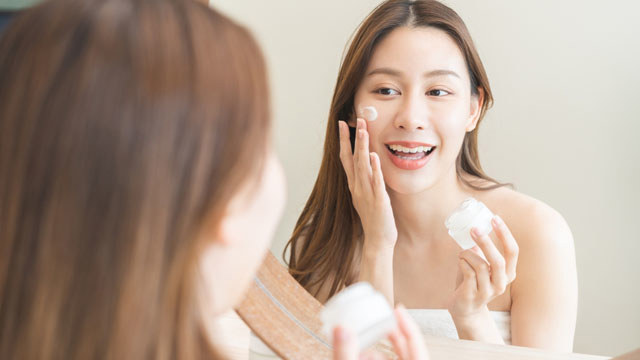
Device-based lifting treatments are generally suitable for patients who:
Have mild to moderate skin laxity, rather than significant sagging that may require surgical intervention
Are looking for a treatment with minimal downtime and no incisions
Want to complement or extend the results of a previous thread lifting or filler procedure
Prefer a gradual, natural-looking improvement over a dramatic or immediate change
Are in generally good skin health, without active infections, severe acne, or unmanaged skin conditions in the treatment area
Patients who are pregnant or breastfeeding, or who have certain implanted medical devices, are typically advised to postpone or avoid energy-based treatments, depending on the specific device used. Because every patient's skin structure, volume distribution, and aging pattern differ, candidacy is best assessed through an in-person consultation rather than a general checklist. Age alone is not a reliable predictor of suitability — some patients in their late 20s benefit from early preventive treatment, while others in their 50s may need a combination approach involving fillers or thread lifting alongside device-based technology.
At Aube Clinic, all consultations are conducted directly with the physician, allowing for a treatment plan tailored to the individual rather than a one-size-fits-all protocol. This is particularly relevant for device-based lifting, where the choice between RF and ultrasound technology — or a combination of both — depends heavily on the patient's specific skin thickness and laxity pattern.
The Treatment Process
A typical device-based lifting session at Aube Clinic follows several steps:
1. Consultation and Skin Assessment
The physician evaluates the patient's skin elasticity, facial structure, and areas of concern to determine which device — or combination of devices — is most appropriate. This assessment also considers the patient's treatment history, including any prior thread lifting, filler, or laser procedures, to avoid overlapping treatments too closely together.
2. Preparation
The treatment area is cleansed, and topical numbing may be applied to improve patient comfort during the procedure. Photographic documentation is often taken before treatment to allow for objective comparison during follow-up visits.
3. Energy Delivery
Using the selected device (such as 3Deep or Lineage), controlled energy is delivered to targeted depths within the skin. The physician adjusts depth and intensity settings based on the treatment area — the jawline, cheeks, and under-eye area, for example, often require different energy parameters due to differences in skin thickness and proximity to bone. Patients may feel warmth or mild tingling during this stage, though discomfort is generally manageable and brief.
4. Post-Treatment Care
Following the procedure, a structured aftercare protocol is applied, which may include LDM (a technology used specifically for post-procedure swelling reduction), along with soothing and moisture care. This aftercare step is not merely cosmetic comfort — reducing post-treatment inflammation is thought to support a smoother healing process and may help minimize prolonged redness.
Most sessions are completed within a single visit, typically ranging from 30 minutes to just over an hour depending on the treatment area and combination of devices used, and many patients are able to return to normal daily activities shortly afterward.
The Healing Timeline: What to Expect
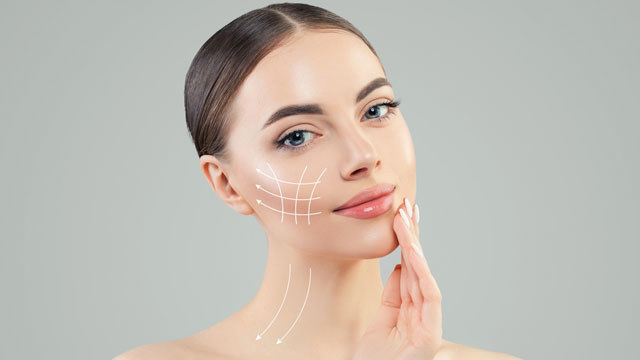
While individual recovery varies based on skin type, treatment intensity, and the specific device used, a general healing timeline for device-based lifting treatments looks like this:
Day 0–2: Initial Response
Mild redness, warmth, or slight swelling in the treated area is common immediately after the procedure. This typically subsides within a day or two. Most patients can resume light daily activities the same day, though it is generally advisable to avoid intense sun exposure, saunas, and strenuous exercise during this early window, as these can prolong redness or swelling.
Day 3–7: Settling Phase
Any residual swelling or tightness generally resolves during this period. Some patients notice an early, subtle firming sensation as the skin begins its natural healing response. Mild sensitivity to touch in the treated area is not unusual and typically fades on its own without intervention.
Week 2–4: Early Collagen Response
The body begins actively producing new collagen in response to the controlled thermal injury created by the device. This is a biological process that cannot be rushed — visible improvements are typically gradual rather than immediate, as the skin remodeling process takes time to mature. Patients are generally advised not to judge final results during this early phase.
Month 1–3: Progressive Improvement
This is generally the period when patients notice the most noticeable firming and lifting effects, as collagen continues to build and reorganize within the treated tissue. Skin often appears visibly smoother and more resilient during this window, and many patients report improved tone alongside the lifting effect.
Month 3 and Beyond: Maintained Results
Results from device-based lifting are generally not permanent, as the natural aging process continues after the treatment's effects plateau. Many patients choose to combine device-based treatments with thread lifting or periodic touch-up sessions every several months to a year to maintain results over time, depending on their individual skin aging rate and lifestyle factors such as sun exposure.
Because healing is a gradual biological process, patience is an important part of achieving the best outcome — dramatic overnight changes are not a realistic expectation with this treatment category, and understanding this timeline in advance helps patients feel confident rather than concerned as their skin progresses through each stage.
Doctor's Expertise Behind the Treatment
Device-based lifting treatments at Aube Clinic are overseen by Dr. SuHyun Kim, Chief Director of the clinic and a specialist with over 10 years of focused clinical experience in non-surgical facial lifting. His clinical background includes leadership roles at Siren Clinic in Korea, as well as Oracle Plastic Surgery Clinic and Seolleim Dermatology Clinic in Dalian, China. This international clinical experience has given him exposure to a broad range of patient skin types and aging patterns, informing a treatment philosophy that prioritizes individualized planning over standardized protocols.
Dr. Kim also serves as President of the International Thread Lifting Research Association and Director of the Korean Society of Clinical Aesthetic Medicine, and is the author of the Standard Guide to Thread Lifting. His professional focus on thread lifting research directly informs how device-based technologies are integrated at Aube Clinic — rather than treating RF and ultrasound devices as standalone solutions, he approaches them as complementary tools within a broader facial rejuvenation strategy that may also include thread lifting or dermal fillers where appropriate.
Why Patients Choose Aube Clinic
Located on the 2nd Floor, Units 203, 204, and 205 in Seoul's Yongsan-gu district, Aube Clinic operates with a few distinguishing practices that shape the overall patient experience:
Consultations are conducted exclusively and directly with the lead physician — never delegated to non-medical staff or sales consultants
A one-patient-per-time-slot policy allows for focused, unhurried care during both consultation and treatment
Post-procedure follow-up guidance is provided as a standard part of care, allowing the physician to monitor healing progress at key points along the timeline
A private recovery room is available following treatment, supporting patient comfort and discretion
Safety and Realistic Expectations
Device-based lifting treatments are generally well-tolerated, with side effects typically limited to temporary redness or mild swelling that resolves within days. However, no non-surgical treatment can fully replicate the results of surgical intervention, and outcomes vary based on individual skin condition, age-related collagen density, and aging factors that differ from patient to patient. Setting realistic expectations from the outset — including understanding that results build gradually over one to three months rather than appearing immediately — is a key part of patient satisfaction with this treatment category.
A thorough consultation is essential to determine whether device-based lifting, thread lifting, or a combination approach is the most appropriate path forward for a given patient's goals and skin condition. Patients considering this treatment are encouraged to schedule a personal consultation at Aube Clinic to discuss their specific concerns and receive a treatment plan tailored to their individual needs.
Clinical Safety Notice & Personalized 1:1 Consultation
All aesthetic and regenerative procedures at Aube Clinic (Hoban Summit Edition 2F, 66 Hangang-daero, Yongsan-gu, Seoul) are planned and performed 1:1 by Representative Director Dr. Suhyun Kim after direct facial anatomy and skin evaluation. Treatment outcomes and recovery timelines vary by individual tissue condition, and temporary swelling, bruising, redness, tenderness, or asymmetry may occur.
1:1 Consultation