
1:1 Consultation
Corage 3DEEP RF: How Multi-Depth Radiofrequency Works
How Corage 3DEEP multi-depth radiofrequency works at Aube Clinic in Seoul, its FDA-cleared RF technology, why RF is not a facelift, and realistic results.
Aube Clinic · Dr. Suhyun Kim, M.D. · Yongsan-gu, Seoul
1:1 Consultation →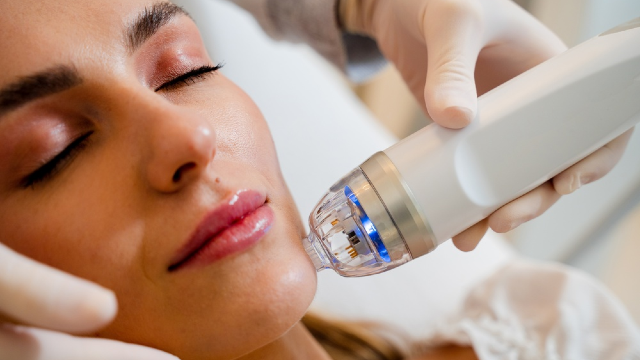
Medically reviewed by Dr. SuHyun Kim, Medical Director, Aube Clinic
Radiofrequency skin tightening has become one of the most widely used non-surgical approaches for mild to moderate skin laxity, and at Aube Clinic in Yongsan-gu, Seoul, it is delivered using a device the clinic refers to as Corage, built on 3DEEP multi-source radiofrequency technology. If you are trying to understand what this treatment actually does, how "multi-depth" energy delivery differs from simpler radiofrequency, and what you can realistically expect, this guide walks through the mechanism in plain language. It also addresses two questions US patients ask most often: what the FDA status of this technology really is, and whether radiofrequency can substitute for a facelift. The short version is that radiofrequency is a gradual, collagen-stimulating treatment, not surgery, and expectations should be set accordingly.
What Is Radiofrequency Skin Tightening?
Radiofrequency, usually shortened to RF, is a form of energy that generates heat as it passes through tissue. In aesthetic medicine, that controlled heat is used to warm the deeper layers of the skin to a target temperature range, which prompts two responses. First, existing collagen fibers contract when heated, producing a subtle immediate tightening. Second, and more importantly over time, the controlled thermal effect stimulates the body to remodel and build new collagen over the following weeks and months. Because the outer surface of the skin can be protected and cooled while heat is delivered below it, radiofrequency is considered a non-invasive treatment with generally minimal downtime.
Unlike laser energy, which is absorbed by specific targets such as pigment, radiofrequency is not dependent on skin color in the same way, so it can generally be used across a wide range of skin tones. A 2024 systematic review of radiofrequency for face and neck rejuvenation reported skin-texture improvement across a large share of treated patients, with adverse events that were generally mild and temporary. This is the broad evidence context into which a multi-source system like 3DEEP fits.
How 3DEEP "Multi-Depth" Radiofrequency Works
Not all radiofrequency devices deliver energy the same way. The 3DEEP approach uses multiple energy sources, or electrodes, that work together in a phase-controlled manner. The practical idea behind a multi-source, phase-controlled design is to concentrate the radiofrequency energy at a targeted depth within the skin rather than allowing it to disperse superficially or flow uncontrolled toward the surface. By coordinating several sources, the system aims to deliver heat more precisely to the dermal and subdermal layers where collagen remodeling occurs, which is where the phrase "multi-depth" comes from.
Peer-reviewed work on multisource, phase-controlled radiofrequency in patients with a range of skin types describes measurable improvement in skin laxity and wrinkles with a favorable comfort profile and minimal side effects. That focus on controlled depth is also why many patients tolerate the treatment well: the goal is to reach the collagen-rich layers efficiently while limiting excessive heating of the surface. In a broader review, clinical application of radiofrequency for facial wrinkles and laxity is characterized as a non-invasive method that produces gradual improvement in firmness and skin quality. At Aube Clinic, the Corage 3DEEP treatment is used for skin tightening and collagen remodeling as part of the clinic's non-surgical lifting menu, with settings selected by Dr. SuHyun Kim based on the individual's skin and treatment goals.
The FDA Status of 3DEEP Technology: Cleared, Not Approved
For US patients, regulatory wording matters, and it is easy to get wrong. The underlying 3DEEP multi-source radiofrequency technology has received United States FDA 510(k) clearance. As one example on the FDA's public 510(k) record, a 3DEEP-based EndyMed device was cleared as a noninvasive unit intended for dermatologic and general surgical procedures, with an applicator indicated for mild to moderate facial wrinkles and rhytides. The correct term is FDA-cleared, which reflects the 510(k) pathway based on substantial equivalence to legally marketed predicate devices. It is not accurate to say this technology is "FDA-approved," because "approval" refers to a different and more stringent FDA process that does not apply here.
Two important caveats follow. First, FDA clearance attaches to specific devices and specific indications on the FDA record; it should not be read as a blanket endorsement of every branded configuration or every marketed use. So while the 3DEEP radiofrequency technology is FDA-cleared, patients should not assume that a specific unit's every feature or every advertised benefit is separately covered. Second, treatment at Aube Clinic takes place in Seoul under the applicable Korean regulatory framework. The FDA clearance of the technology is a meaningful data point about the RF platform, but it is not the same as authorization of a particular clinic's service. If precise regulatory detail is important to your decision, ask the clinic and expect a clear answer.
Radiofrequency Is Not a Facelift
This distinction is essential. A surgical facelift is an operation that uses incisions to reposition deeper tissue and remove excess skin, producing a pronounced and durable change. Radiofrequency does something fundamentally different: it heats tissue to stimulate collagen, producing gradual, comparatively subtle firming. According to guidance from major cosmetic-surgery bodies, non-surgical options that use radiofrequency or ultrasound can provide some degree of skin tightening, but they are best suited to mild to moderate laxity rather than advanced sagging.
In other words, Corage 3DEEP should be understood as a way to improve firmness and skin quality over time, not as a replacement for surgery. If your primary concern is significant, advanced sagging, an energy-based device will not reproduce a surgical result, and a responsible consultation should tell you so plainly. Aube Clinic's single-doctor model, in which Dr. Kim personally conducts the consultation and treatment on a one-patient-per-slot basis, is designed to support that kind of honest guidance. You can learn more about the clinic's philosophy and structure on the Aube Clinic about-us page.
What to Expect: Sessions, Comfort, and Downtime
Because radiofrequency works by stimulating your own collagen, its results appear gradually rather than instantly. Many patients notice a mild tightening sensation early on, but the more meaningful change develops over the following weeks and months as collagen remodels. For this reason, RF treatments are often planned as a course of sessions rather than a single visit, with the exact number and spacing determined individually based on your skin condition and goals. There is no universal package that fits everyone, and Aube Clinic determines a plan during consultation rather than applying a fixed protocol.
One of the practical advantages of radiofrequency is its tolerability. Because it is non-invasive and the skin surface can be cooled during treatment, RF generally involves little to no downtime, and many patients return to normal activities the same day. Temporary redness or mild warmth in the treated area is common and usually settles quickly. As with any energy-based treatment, comfort and reaction vary between individuals, and your specific experience should be reviewed with the physician beforehand.
Realistic Results and Who Is a Candidate
Radiofrequency skin tightening tends to suit adults with mild to moderate laxity who want a non-surgical option and understand that results are gradual and modest. It is generally less effective for advanced, severe sagging, where surgery may be the more appropriate route. The published literature is consistent on this point: energy-based treatments improve skin firmness and quality but do not match the magnitude of a surgical lift, and outcomes vary from person to person depending on age, skin condition, and the body's collagen response.
Setting realistic expectations is part of a responsible plan. No clinic can guarantee a specific result or a specific duration, and any source promising a dramatic, permanent transformation from radiofrequency alone is overstating what the technology does. What a good clinic can offer is an individualized assessment, honest guidance about whether RF, another modality, or a combination best fits your concern, and careful delivery by an experienced physician. If you would like to ask about candidacy or the treatment process, you can reach the clinic through the Aube Clinic contact page.
Which Areas Radiofrequency Commonly Addresses
Radiofrequency skin tightening is most often used on areas of the face and neck where mild to moderate laxity and softening of contour are the main concerns, such as the lower cheeks, the jawline, and the area beneath the chin. Because the treatment warms the deeper layers of the skin rather than cutting or repositioning tissue, it is generally aimed at improving overall firmness and texture across a region rather than sharply repositioning a single sagging point the way a thread might. The clinical literature on radiofrequency for facial rejuvenation reflects this: reported benefits center on gradual improvements in skin laxity and wrinkle appearance rather than a dramatic structural change. Which areas are appropriate for you is a decision that belongs in a consultation rather than in a generic list.
How Radiofrequency Compares With Other Non-Surgical Options
It is common for patients to ask how Corage 3DEEP radiofrequency compares with other non-surgical lifting methods, such as focused ultrasound or thread lifting. These approaches are not interchangeable, and none is universally "best." Radiofrequency uses heat to remodel collagen across a broader volume of tissue and tends to emphasize firming and skin quality. Focused ultrasound concentrates energy at specific depths, while thread lifting mechanically repositions tissue and stimulates collagen along the thread's path. Because each works through a different mechanism, the most suitable choice depends on the pattern and degree of your laxity, your skin characteristics, and your goals,, and in some cases a physician may consider more than one approach as part of an individualized plan. This is the kind of judgment a personalized, physician-led assessment is designed to provide.
How Aube Clinic Uses Corage 3DEEP
At Aube Clinic, Corage 3DEEP radiofrequency is one option within a broader non-surgical lifting menu that also includes thread lifting and other device-based treatments. Rather than applying one device to every patient, Dr. Kim assesses skin thickness, the degree of laxity, and treatment goals before recommending an approach, and calibrates energy settings to the individual rather than using a single fixed setting for everyone. Where clinically appropriate, energy-based tightening may be considered alongside other treatments as part of an individualized plan. The differentiator the clinic emphasizes is this personalized, physician-led assessment, not a claim that one device outperforms all others.
The Bottom Line
- Corage 3DEEP is a radiofrequency skin-tightening treatment that heats deeper skin layers to contract existing collagen and stimulate new collagen over time.
- The "multi-depth" 3DEEP design uses multiple phase-controlled energy sources to focus heat at target depths, aiming for precise, well-tolerated delivery.
- The 3DEEP radiofrequency technology is FDA-cleared (via the 510(k) pathway), which is different from "FDA-approved"; clearance applies to specific devices and indications, and treatment at Aube Clinic is performed under Korean regulation.
- Radiofrequency is not a facelift; it produces gradual, modest firming best suited to mild to moderate laxity, and results vary between individuals.
- At Aube Clinic, Dr. SuHyun Kim individually calibrates settings and selects modality based on each patient's skin and goals, rather than using a fixed protocol.
Frequently Asked Questions
Is Corage 3DEEP radiofrequency FDA-approved?
The underlying 3DEEP multi-source radiofrequency technology is FDA-cleared through the 510(k) pathway, not FDA-approved, which is a different and more stringent process. Clearance applies to specific devices and indications on the FDA record. Treatment at Aube Clinic is performed in Seoul under the applicable Korean regulatory framework.
How is 3DEEP different from ordinary radiofrequency?
3DEEP uses multiple, phase-controlled energy sources that work together to concentrate radiofrequency energy at targeted depths within the skin, rather than dispersing it superficially. The goal is more precise, controlled heating of the collagen-rich layers, which is where the "multi-depth" description comes from. Individual experience and results still vary.
Can radiofrequency replace a facelift?
No. A facelift is surgery that repositions deeper tissue and removes excess skin for a pronounced, durable change. Radiofrequency stimulates collagen for gradual, subtle firming and suits mild to moderate laxity. If sagging is advanced, an energy-based device will not reproduce a surgical result, and a consultation can clarify the best option.
How soon will I see results, and how many sessions are needed?
Because radiofrequency works by stimulating your own collagen, improvement develops gradually over weeks to months rather than immediately. Treatments are often planned as a course of sessions, with the number and spacing determined individually based on your skin and goals. Aube Clinic sets a plan during consultation rather than applying a fixed package.
Is the treatment painful, and is there downtime?
Radiofrequency is non-invasive, and because the skin surface can be cooled during treatment, it generally involves little to no downtime. Many patients describe a warming or mild tightening sensation and return to normal activities the same day. Temporary redness or warmth is common and usually settles quickly, though comfort varies by individual.
Who is a good candidate for RF skin tightening?
Radiofrequency generally suits adults with mild to moderate skin laxity who want a non-surgical option and realistic, gradual results. It is less effective for advanced sagging, where surgery may be more appropriate. Candidacy depends on your skin condition and health history and can only be confirmed through an in-person consultation.
This article is for general informational purposes only and does not constitute individualized medical advice; it is not a self-diagnosis tool. Radiofrequency skin tightening is a non-surgical aesthetic treatment, results vary between individuals, and candidacy and expected outcomes can only be determined through a consultation with a qualified physician.
Clinical Safety Notice & Personalized 1:1 Consultation
All aesthetic and regenerative procedures at Aube Clinic (Hoban Summit Edition 2F, 66 Hangang-daero, Yongsan-gu, Seoul) are planned and performed 1:1 by Representative Director Dr. Suhyun Kim after direct facial anatomy and skin evaluation. Treatment outcomes and recovery timelines vary by individual tissue condition, and temporary swelling, bruising, redness, tenderness, or asymmetry may occur.
1:1 Consultation